




Overview
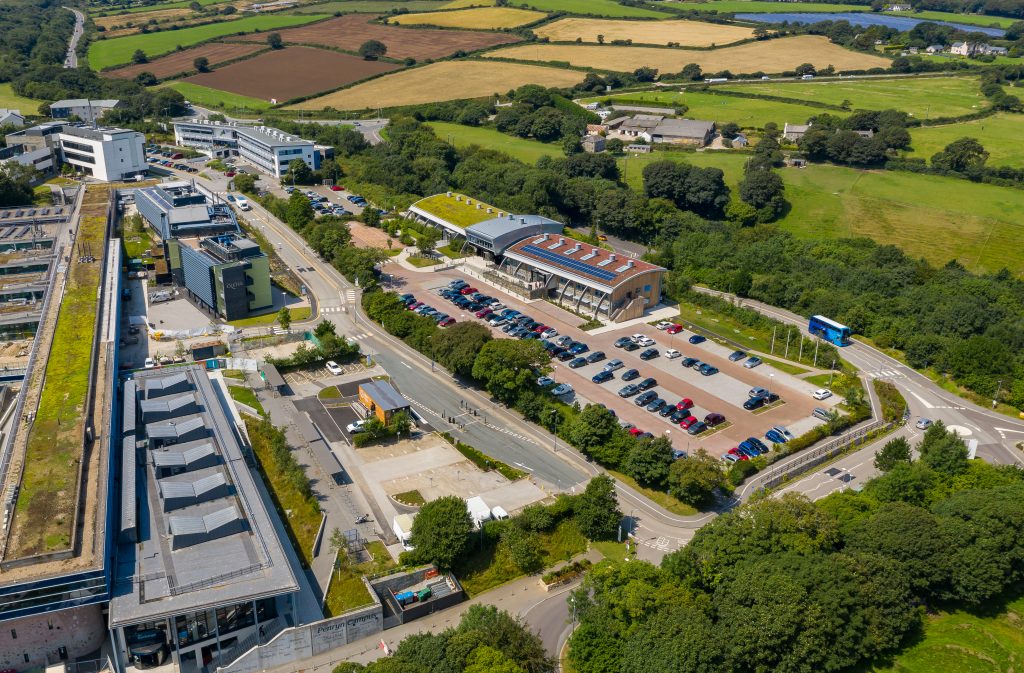
Falmouth University and the University of Exeter both declared a climate and ecological emergency in 2019, alongside many other universities and colleges across the world. This led to the development of formal sustainability policies to embed sustainability across all aspects of university and life on campus.
Both universities have set net-zero decarbonisation targets including wider sustainability targets, you are able to view these on the Falmouth University sustainability home page and University of Exeter sustainability home page.
Our role at FX Plus is to support the universities in achieving their targets by embedding sustainability across all FX Plus Services and the campus estate.
In 2020, we launched our first sustainability policy which established a series of work streams in order to achieve the university net-zero and wider sustainability targets: Energy and Utilities, Waste and Recycling, Sustainable Travel, Procurement, Food and Drink, Biodiversity, Buildings, Environmental Compliance and Communications.
Please take a look through the pages below to find information about what is already taking place, and the ways you can get involved. You can also contact our Head of Sustainability directly on sustainability@fxplus.ac.uk.
Read our Sustainability Policy.
Read our Sustainability Tips for Living in Halls


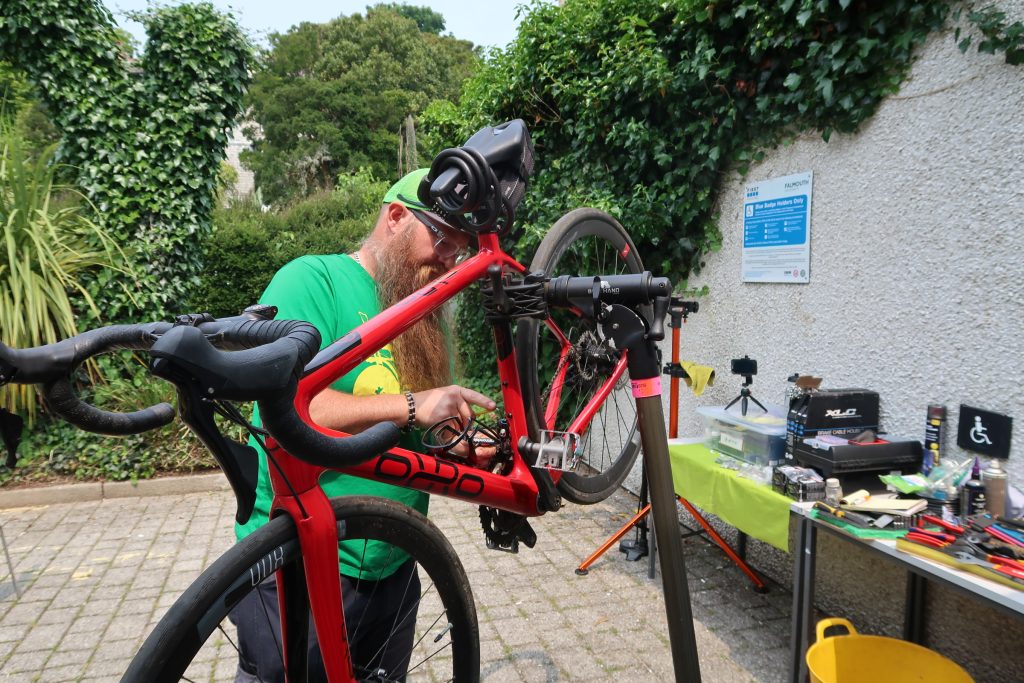

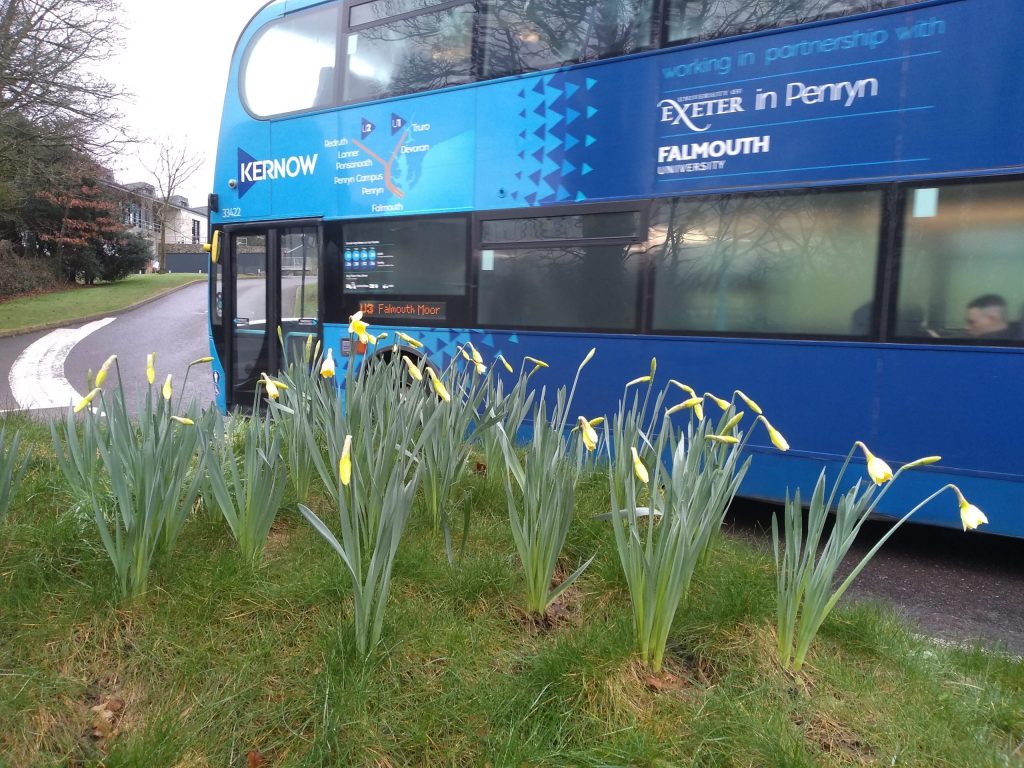
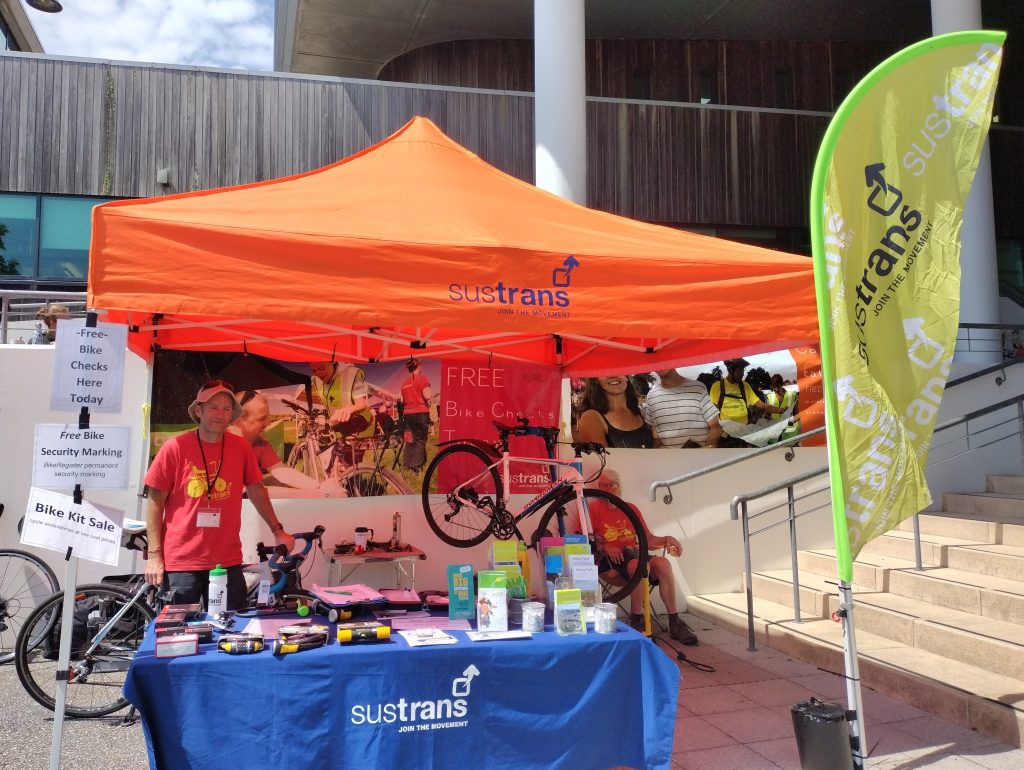
As part of the Universities’ net-zero plans, students and staff are encouraged to use public transport and active travel modes. This helps support our efforts on decarbonisation as well as reducing local traffic congestion and pollution.
Every two years we distribute an online survey whereby students and staff can provide feedback for their commuting experience to help achieve continuous improvement.
Below we have listed some of the current things to be aware of on campus:
Campus bike storage and changing facilities:
Both of our campuses have plenty of bike storage facilities including fully covered bike shelters. At Penryn campus, our Sports Centre shower rooms and changing facilities are free of charge for all students and staff to use.
Electric bike hire scheme & charging points:
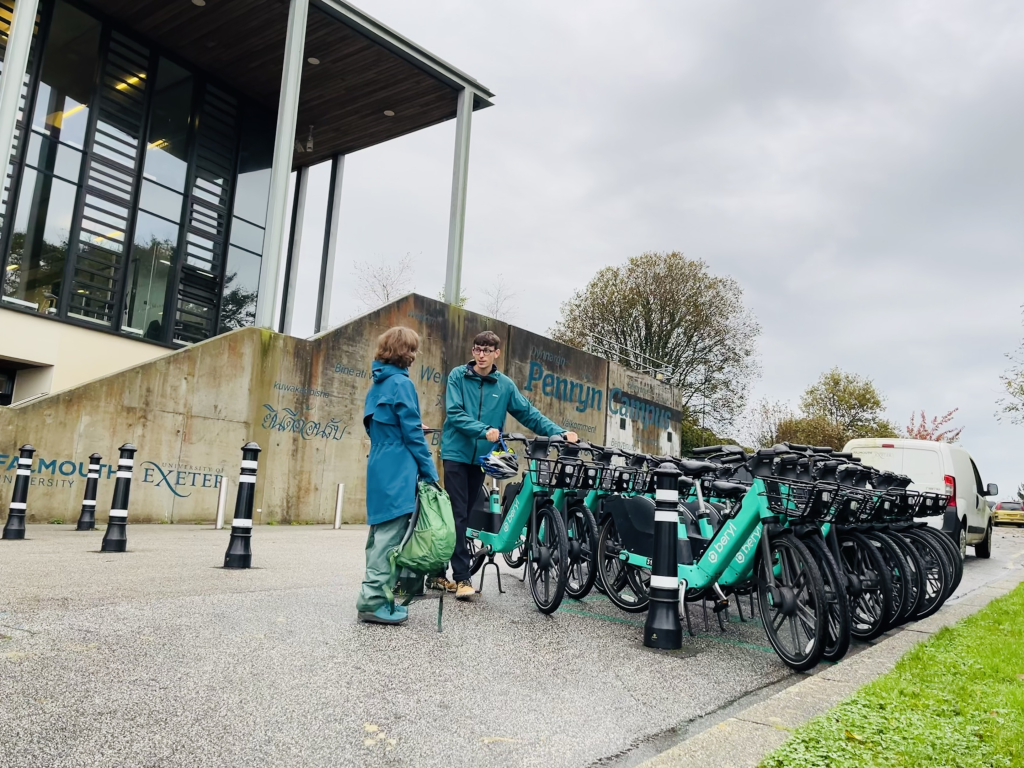
Electric bikes can be hired on campus. As part of a county-wide scheme funded by Cornwall Council, fifty Beryl Bikes are available at 21 stations across Falmouth and Penryn, including on Penryn Campus, outside the Exchange opposite Heart Reception and along the Old Drive.
If you have your own personal electric bike, you can charge these in Glasney Village. Please visit Glasney Lodge for more information on how to access these.
Buses and trains
We recommend downloading the Transport for Cornwall app to purchase the most suitable bundles for your commute. This will help save you money over the year rather than paying for the bus for each individual trip. There is also a train station at the bottom of campus which links through from Falmouth Docks Station ending at Truro Train Station.
Electric vehicle charging points:
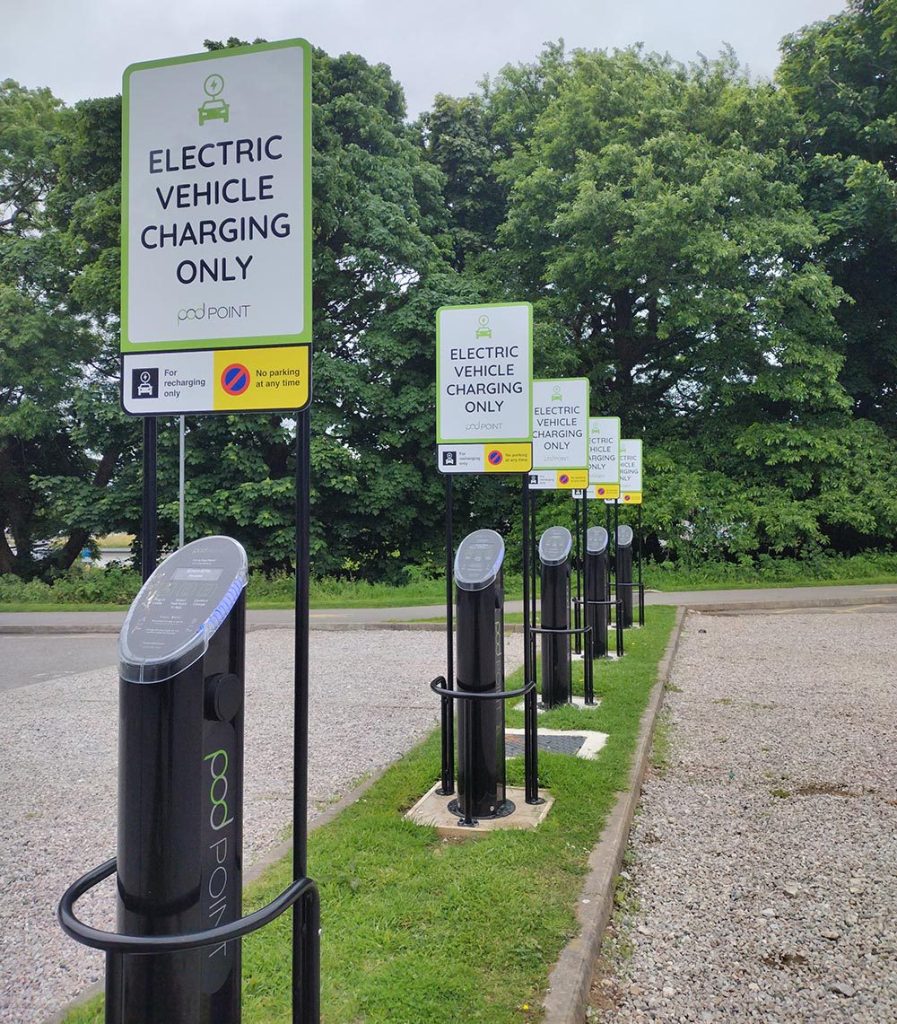
Electric vehicle (EV) charging points are available at Penryn Campus. While we encourage walking, cycling, or using public transport, we recognise that this is not always practical in Cornwall. These EV points support owners of more sustainable vehicles.
Gold Cycle Friendly Employer Accreditation
Cycling UK has awarded Penryn Campus a Gold Cycle Friendly Employer Accreditation through its national Cycle Friendly Employer program. The gold award is the highest standard available and demonstrates the campus’ commitment to active travel, combatting climate change and improving staff and student wellbeing.
For more information, please see our Travel and Transport page.