




Living sustainably in halls is easier than you think — and it can help you save money, reduce waste, and make a positive impact while you’re at university.
Here are some simple ways you can get started at Glasney Village and Packsaddle. Remember, even minor changes make a significant difference.
If you have questions or ideas, get in touch: sustainability@fxplus.ac.uk
Save Energy
To help save energy related emissions on campus, please:
- Switch off lights, chargers, and appliances when you are not using them.
- Keep windows closed when the heating is on.
- Layer up first (jumpers, blankets) instead of turning up heating.
- Choose energy-efficient appliances if buying your own.
- When boiling the kettle, only fill it with the amount of water you plan to use.
- Washing at 30°C can save up to 60% of energy compared to hotter cycles.
- Limit hot water use where you can.
You can view our energy performance display at the Estates Helpdesk Hub.
Save Water
Saving water is easy to do and really impactful:
- Keep showers under 4 minutes (collect your free shower timer from Glasney Lodge).
- Turn off the tap while brushing your teeth (saves up to 9 litres a minute).
- Reuse water where you can – Avoid running taps by using a bowl for washing food or dishes, and give leftover water a second use (e.g. watering plants or using veg water for cooking).
Reduce Waste
Getting recycling right helps us turn waste into useful resources:
- Recycle your food waste using the food bins provided, not your black bags! All our food waste goes to a farm in Plymouth to be made into electricity, fertilisers, and biofuels.
- Using plastic bags to contain the food waste is fine, but please remove and recycle all other plastic packaging.
- No black bags please, p.s. big bags full of McDonalds packaging is not food waste, please empty and recycle these in the mixed recycling.
- Mixed recycling – plastic bottles/tubs, metal cans, paper, and small cardboard can all be placed in the mixed recycling bins in Halls kitchens and around campus. This is then taken to a local Materials Recovery Facility and sorted. It really helps if food containers are given a quick rinse before being put in these bins to avoid contaminating cardboard and make the recycling process more efficient.
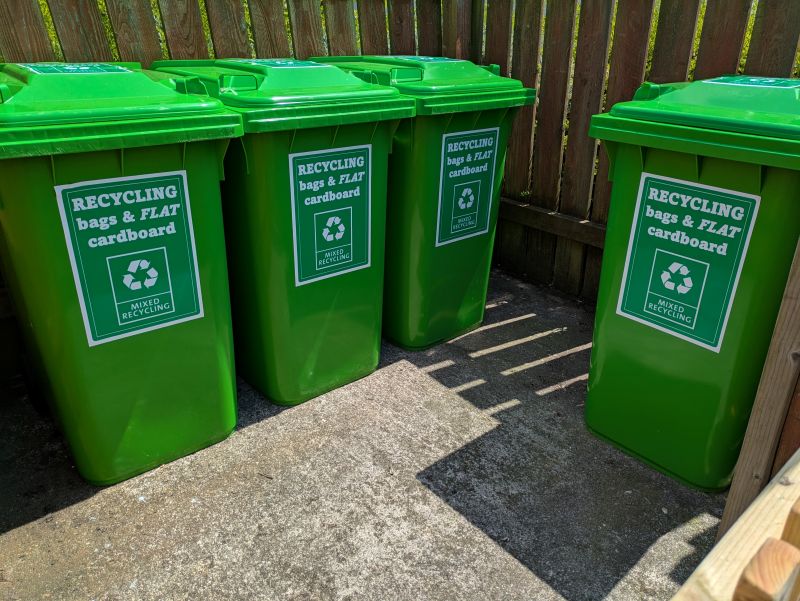
- Cardboard needs to be kept dry to get the best from it. Tear any Amazon boxes into smaller pieces (the tape is easily removed) and pop them into the green recycling bins around Halls rather than your mixed recycling bins to save them getting damp.
- Electrical waste needs special disposal, particularly batteries which can cause fires if put into black bags. Contact Glasney Lodge for specialist disposal of these items.
- Tetra pak cartons (oat milks etc.) cannot go into mixed recycling, but there is a special bin for them outside the shop on Penryn Campus. Approximately 12,000 cartons from campus are recycled every year.
- Blister packs for medicines – these can be recycled if taken to the ‘Special Recycling Bin’ at the top of the Exchange building just up the steps from the library. This bin can also be used for toothpaste tubes, toothbrushes, and even plastic kitchen utensils.
For more information on our waste plans, as well as an A-Z waste and recycling guide, please read our Student Cleaning Guide.
Purchase Sustainably
Your everyday purchases matter:
- Buy second-hand first (Depop, Vinted, charity shops)
- Choose quality items that last longer.
- Look for ethical brands (try the Good On You Directory for fashion and beauty brands)
- Reduce packaging where possible.
- Try more plant-based or local food options.
- Too good to go bags available at the Penryn campus shop. Download the app and rescue food at a reduced rate that would otherwise have gone to waste.
Travel Smarter
Cut emissions and stay active:
- Walk or cycle using the Beryl Bike network accross Falmouth and Penryn.
- Use buses and trains for local travel.
- Car share if driving (check out this free car sharing app)
Find out more about travel options
Every Small Action Counts
You do not have to do everything; just start somewhere.
Together, we can make campus more sustainable.
More Information
For more information on sustainability at your university and how to get involved, please see: